£120 first hour · Fixed quote after
Hot Water Cylinder Repairs London
Expert repairs for all types of hot water cylinders. We diagnose and fix issues with vented, unvented, and thermal store cylinders to restore your hot water supply.




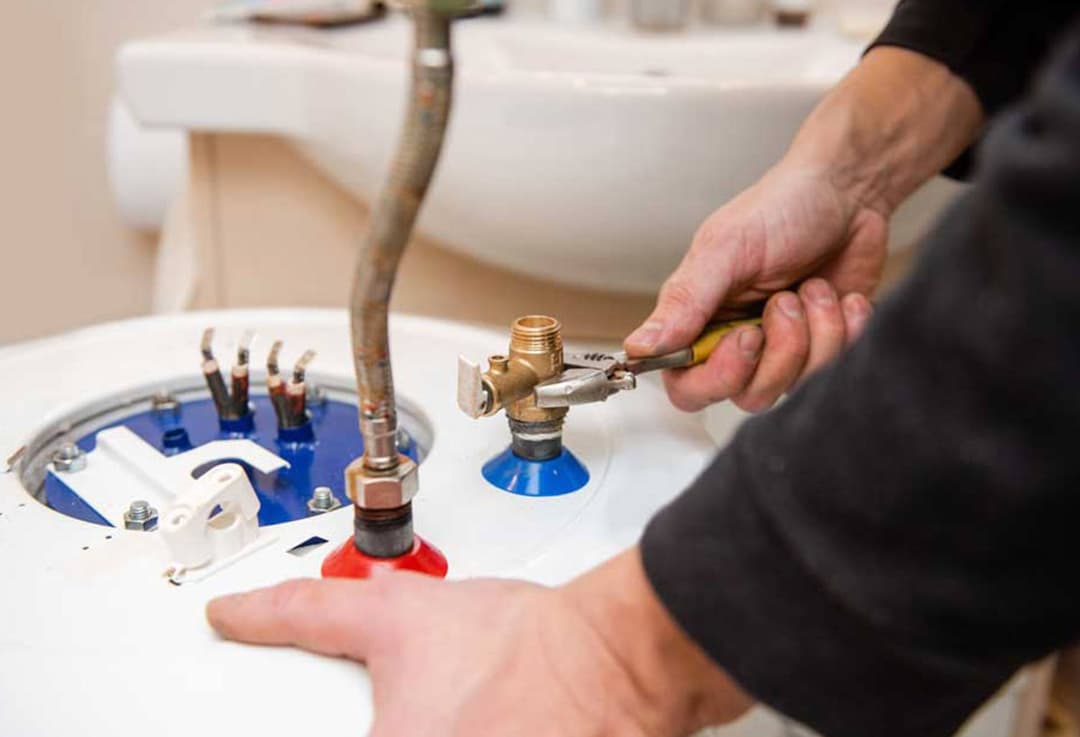
Expert repairs for all types of hot water cylinders. We diagnose and fix issues with vented, unvented, and thermal store cylinders to restore your hot water supply.
5 out of 5 stars
Emergency callout no hot water or heating. They attended found the fault, repaired, all very quick and efficient. Highly recommended
Hot water cylinders are essential for storing and providing hot water in many properties. Our engineers have specialist knowledge of all cylinder types and can quickly resolve issues to restore your hot water supply.
We repair vented, unvented (including Megaflo), and thermal store cylinders from all major manufacturers.
We're G3 qualified to work on unvented cylinders which operate under high pressure and require specific safety certifications.
We repair or replace all cylinder components including immersion heaters, thermostats, valves, and expansion vessels.
Common hot water cylinder issues include faulty immersion heaters, thermostat failures, leaking cylinders, pressure relief valve problems, and expansion vessel faults. Our engineers can diagnose and fix these issues efficiently.
This could be due to a faulty immersion heater, thermostat issues, limescale build-up reducing cylinder capacity, or problems with the boiler's ability to heat the cylinder. Our engineers will identify the specific cause and recommend the appropriate solution.
Minor leaks from connections or valves can often be repaired. However, if the cylinder itself is leaking from the main body, replacement is usually necessary as repairs are rarely effective long-term. We'll provide honest advice based on the specific situation.
Most hot water cylinder repairs can be completed within 1-2 hours once we've diagnosed the issue. Replacing components like immersion heaters or thermostats is relatively straightforward. Full cylinder replacements typically take 4-6 hours.
This depends on the cylinder's age, condition, and the nature of the fault. For cylinders under 10 years old, repairs are usually worthwhile. For older cylinders with significant issues, replacement might offer better value, especially as newer models provide better insulation and efficiency.